Still Boiling at 3am: In Praise of London's All-Night Caffs
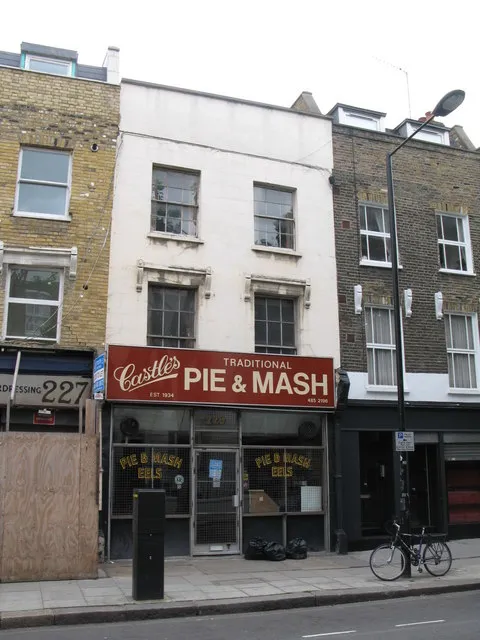
Photo: Mike Quinn, CC BY-SA 2.0, via Wikimedia Commons
There is a specific moment, somewhere round half two in the morning, when London runs out of things to offer you. The pubs have called time. The bars want you to order another drink or leave. The last Tube has gone and the night bus is forty minutes away. And what you want, more than anything, is somewhere warm to sit with a cup of tea and a plate of something beige.
That place used to exist in every part of this city. It exists in fewer and fewer of them now.
The gap nobody wants to fill
We have spent the past decade building the most elaborate late-night economy London has ever had, and almost all of it is pitched at drinking, spending, or being seen. Rooftop bars with a minimum spend. Members' clubs with a waiting list. Immersive experiences at forty quid a head. Meanwhile the ordinary, fluorescent-lit, wipe-clean-table caff — the one that just stayed open because people needed it — has been quietly pushed out by rents, rates, staffing costs and landlords with better ideas.
It's a strange gap for a city that keeps talking about the night-time economy. We've got a night czar, a night-time strategy and endless panel events about the 24-hour city, and yet the genuinely useful part of the 24-hour city — the bit where a nurse finishing a shift, a cabbie on a break, a student who's missed the last train and a bloke who's just been dumped can all sit in the same room and pay under a tenner — has been left to a handful of stubborn institutions.
The case for sobriety, cheapness and a bit of dignity
The sober night out has gone mainstream in the last few years, which is a good thing. But most of the alternatives are expensive: a £9 alcohol-free cocktail in a bar that would rather you weren't there. The all-night caff is the original sober venue. Nobody cares what you order. Nobody's filming. The lighting is honest, the chairs are plastic, and the only thing expected of you is that you eat something and don't outstay your welcome by more than an hour.
It's also the last genuinely mixed room in London. On a good night you'll find shift workers, security staff, teenagers, insomniacs, a hen do in the final stages of collapse and one man reading a paperback with tremendous concentration. There is no dress code and no door policy, because there is no door.
Three survivors worth your money
Polo Bar, Bishopsgate
London's most famous 24-hour caff has been on the same corner since the 1950s and remains the gold standard: big breakfasts at any hour, a proper cup of tea, and a clientele that veers from City traders in black tie to paramedics coming off shift. Sit at the counter if you can. It's a five-minute walk from Liverpool Street, which makes it the single most useful late-night address in the City.
VQ, Bloomsbury
Open around the clock, part greasy spoon, part diner, entirely uninterested in being cool. The menu runs from full English to burgers to cake, and the atmosphere at 3am is somewhere between a student kitchen and a war room. It's the kind of place where you can have a completely honest conversation with a stranger and then never see them again. Go once, and you'll end up going back at least annually for the rest of your life.
Beigel Bake, Brick Lane
The odd one out, and the busiest of the lot: a 24-hour bakery that has been feeding the East End since the 1970s. Salt beef beigel, mustard, a gherkin, out the door in four minutes. The queue at 2am is part of the experience, and the pricing is a small miracle. It's not a café — there's nowhere to sit — but it's the same idea in its purest form: hot, cheap, available when you need it, no questions asked.
Honourable mention to Bar Italia in Soho, which isn't 24 hours but runs late enough to catch the last stragglers, and has been doing the same thing on Frith Street for the best part of a century.
How to be a good late-night customer
Order something. It's a business, not a waiting room, and one tea nursing for two hours on a busy night is a bit off. Tip properly, especially after midnight. Say thanks to whoever's on the griddle, because they are the only person in the building doing any work. And never, ever ask them if they're closing soon.
A modest proposal
If we want a genuinely 24-hour city, it can't only be the bits that sell £18 negronis. A caff open all night costs a landlord very little in trouble and gives a neighbourhood an enormous amount in return — a place for the people the city runs on to sit down. Licensing, rates relief, and a landlord or two willing to take a slightly longer view would do more for London at 3am than another members' club.
Until then, we have three. Go and use them, before they become another anecdote about how the city used to be.