The Inscriptions Tour: London’s Park Benches and the Lives They Keep
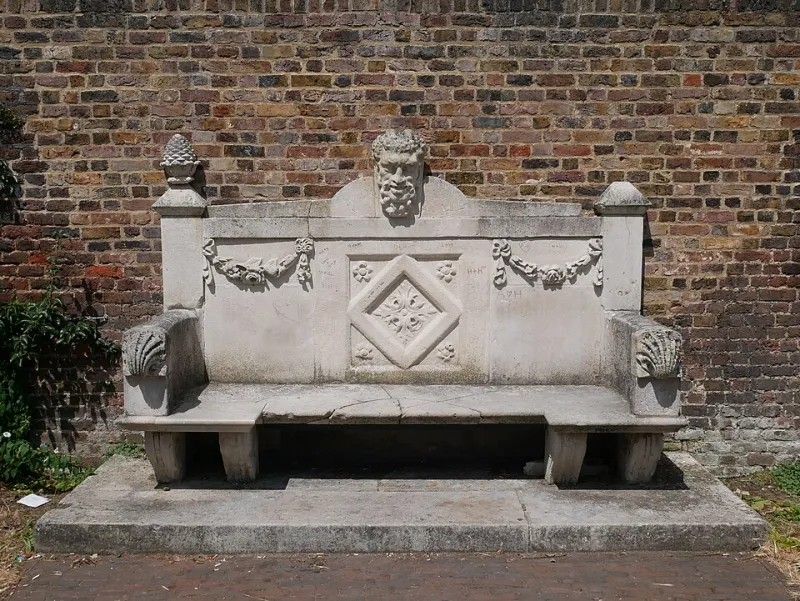
Photo: Doyle of London, CC BY-SA 4.0, via Wikimedia Commons
London keeps its memoirs at knee height. You find them on the back of a bench: a brass plate, a line of routed letters, a nickname that means nothing to you and everything to someone. The city’s park benches are a democratic sort of memorial — less formal than a blue plaque, far more sit-on-able. They are also one of the best excuses for a walk.
First, the etiquette. A dedication is an invitation to rest, not a puzzle to solve. Sit down. Do not rub the plaque. Do not photograph a grieving family’s inscription close enough to read the dates unless you have a reason. If there are flowers, leave them. If the seat is occupied, move on. The pleasure is ordinary: a cup of tea, a sandwich, a few minutes of not being anywhere else.
Start in Bloomsbury
Russell Square is a good opener because it has everything a bench walk needs: plane trees, coffee nearby, and seats facing several directions. Work the edges rather than the middle. On the north side you get the odd combination of office windows and leaves; on the south side, the light falls through the trees in the afternoon. The inscriptions here tend to be short — a name, a date, sometimes a line of poetry. Read a few, then stop reading. The point is to sit.
Tavistock Square is quieter and stranger. It has a statue of Gandhi, a tree planted for peace, and benches that feel more like confessionals than street furniture. Look for the repetitions: the same family name on two benches, a date that appears more than once. London benches often work like a local newspaper’s births and deaths column, except you have to find the stories yourself.
The Embankment’s long seat
Walk south to the river, or take the Tube to Embankment. The Victoria Embankment between Blackfriars and Westminster is the city’s great bench corridor: a long line of seats facing the Thames, with dedications from all over the world. Some are grand. Most are not. The best are the ones that sound like an inside joke — a nickname, a football team, a line about a dog. At low tide the river smells of mud and the benches smell of rain. Go on a weekday morning if you want the pick of them.
Royal Parks, brief gold
Cut inland to St James’s Park. The benches along the lake are not the most comfortable in London, but they have the best theatre: pelicans, tourists, the occasional cabinet minister jogging past. In winter the low sun comes across the water and turns the whole thing briefly gold. Green Park is plainer and better for a private sit. Hyde Park’s Serpentine benches are more international; you will hear three languages before you finish your coffee.
North to Hampstead
For the full neighbourhood-by-neighbourhood experience, take the Northern line to Hampstead. The Heath is not short of benches, but the good ones are not always where you expect. Parliament Hill has the view; Kenwood has the tidy seats; the paths around the ponds have the improvised ones, with hand-painted plaques and repaired slats. Waterlow Park, just down the hill, is the connoisseur’s choice: steep, quiet, and full of inscriptions that feel like they were written by someone who knew the deceased would laugh.
South and east
Dulwich Park has solid, Victorian-looking benches and a villagey feel. Battersea Park’s riverside seats are good for a windy think. Victoria Park in Hackney has some of the most varied dedications in London — football, drag, family, grief, jokes — because the park belongs to so many different people. Hackney Marshes is for the committed bench tourist: fewer plaques, more space, and a sense of having reached the edge of the map.
How to read a bench
Look for use. A worn armrest, a repaired slat, a small stone left on the top edge. Look for repetition: the same name, the same date, the same phrase. A bench can be a pub with no beer, a church with no roof, a diary entry that anyone can sit on. The best ones are not the grandest. They are the ones where someone has clearly chosen the view for a reason.
The practical walk
A good central route is Russell Square to Tavistock Square, then the Tube to Embankment, then a river walk to St James’s Park. That is about two and a half miles with sitting, so allow two hours. For a longer day, add Hampstead in the morning and Dulwich in the afternoon; they are not near each other, but London is not a city that rewards tidiness. Go on a dry weekday. Take a flask. And if you find a bench with a story you cannot decode, leave it that way. The not-knowing is part of the furniture.