The Little Green Rooms: A Tea-Fuelled Crawl of London's Cabmen's Shelters
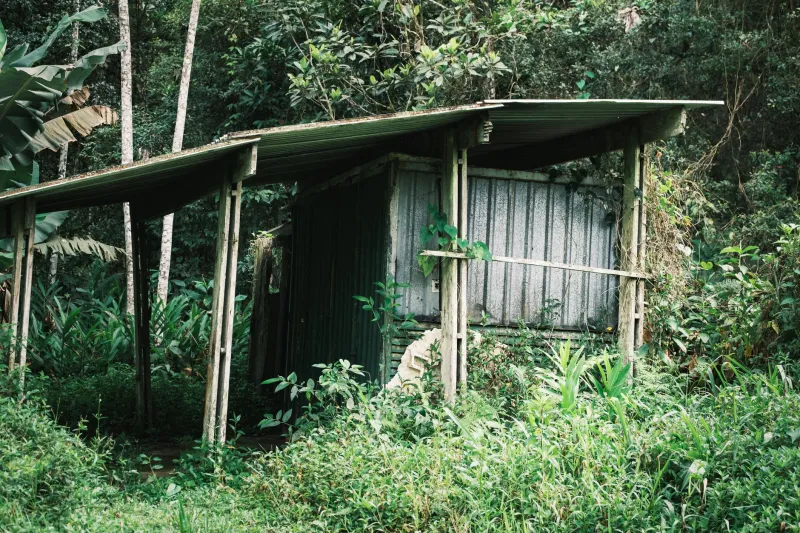
You've seen them and assumed they were something else. A park keeper's store, perhaps. A gardening shed that got lost on its way to the Embankment. A very small cricket pavilion. They are, in fact, cabmen's shelters: green-painted wooden boxes about the size of a large garden office, dotted across central London since the 1870s, and still doing precisely the job they were built for.
There are 13 left. Each one is a minor miracle of survival, and each one sells tea.
Why a shed needed a charity
In the 1870s a hansom cab driver's working day was spent almost entirely outdoors — on the box, in the rain, eating whatever he could hold in one hand. Pubs were the obvious refuge, and the temperance movement found that unacceptable. Step forward the seventh Earl of Shaftesbury, who in 1875 set up the Cabmen's Shelter Fund with the aim of giving drivers somewhere dry, sober and cheap to eat.
The fund built around 60 huts at the city's busiest ranks. The Metropolitan Police set a firm limit on size: no shelter could be larger than a horse and cart, which is why they all look like something a very tidy allotment-holder might have built. Most had a small kitchen, a counter and a single room with benches. Rules were posted inside and, remarkably, those rules haven't really changed.
By the mid-20th century the motor car and the caff had done for most of them. The survivors were largely saved by listing, and today they're looked after by the Cabmen's Shelter Fund as working shelters rather than museum pieces. Which is the whole point: they aren't preserved, they're in use.
The rules are the charm
Here's the bit that catches people out. The shelters exist for licensed hackney carriage drivers. They, and only they, may go inside and sit down. Everyone else is served at the hatch — the little sliding window on the side — and takes their tea standing up, or on a nearby wall, or walking.
It's not snobbery; it's a licence condition, and the drivers are protective of it because it's the last bit of workplace they've got. The posted rules, meanwhile, are a small joy: no gambling, no swearing, no drink, no politics. Several shelters still enforce a version of this, which makes a bacon roll at one of them feel like eating in a particularly well-run library.
So: approach the hatch, not the door. Say please. Have cash. Don't photograph the men inside like they're an exhibit.
Where to find them
Chelsea Embankment, SW3 — the oldest of the survivors, tucked beside Albert Bridge at the quieter end of the embankment. Early morning here, with the tide out and the bridge lights still on, is about as good as London gets.
Thurloe Place, SW7 — right outside the V&A, which means it's the one most likely to be discovered by accident. A mug of tea here before the museum opens beats any of the cafés inside it.
Russell Square, WC1 — a proper Bloomsbury institution, and a useful staging post between the British Museum and the bookshops on Marchmont Street.
Leicester Square, WC2 — improbably sitting amid the cinemas and the crowds, and somehow completely ignored by everyone queuing for a premiere.
Northumberland Avenue, WC2 — a short hop from Trafalgar Square, handy if you're killing time before a show.
Temple Place, WC2 — the most discreet of the lot, in the legal quarter, where the clientele is half barristers and half cabbies.
Pont Street, SW1 — Belgravia's contribution, all cream stucco around it and a green hut in the middle.
Grosvenor Road, SW1 — Pimlico riverside, close to the Tate Britain end of things.
Warwick Avenue, W9 — the Little Venice one, near the canal, worth pairing with a walk along the towpath.
Wellington Place, NW8 — St John's Wood, quiet and leafy, and rarely busy.
Kensington Park Road, W11 — Notting Hill's, on the corner where the road meets Westbourne Grove. Expect a queue of drivers and the occasional baffled tourist.
Hanover Square (Brook Street), W1 — Mayfair, and possibly the most photographed of the survivors.
Kensington Road, W8 — near the palace, best reached on foot from Kensington High Street.
Practical notes for a cold afternoon
Most open early — around 7am — and shut in the early afternoon, so this is a lunchtime and mid-morning pursuit rather than an evening one. Opening days vary, and a few close at weekends. Expect tea, coffee, bacon sandwiches, toast and porridge, all cheap, all served fast, all eaten standing up.
Take cash. Take change. Take a coat, because there's nowhere to shelter while you wait except the shelter itself, which you're not allowed into. And if a driver holds the hatch open for you and tells you the tea's the best on the street, he's probably right — and he's definitely earned the right to say so.
Why bother?
Because these huts are the last working Victorian street furniture in London that hasn't been turned into a coffee chain or a listed ruin. Thirteen little green rooms, still heated, still serving, still reserved for the people they were built for. A cup of tea at the hatch costs about £1.50 and buys you five minutes inside a piece of the city that has quietly refused to change. That's a bargain.