Ear to the Kerb: A Listening Walk Through the City’s Buried Machinery
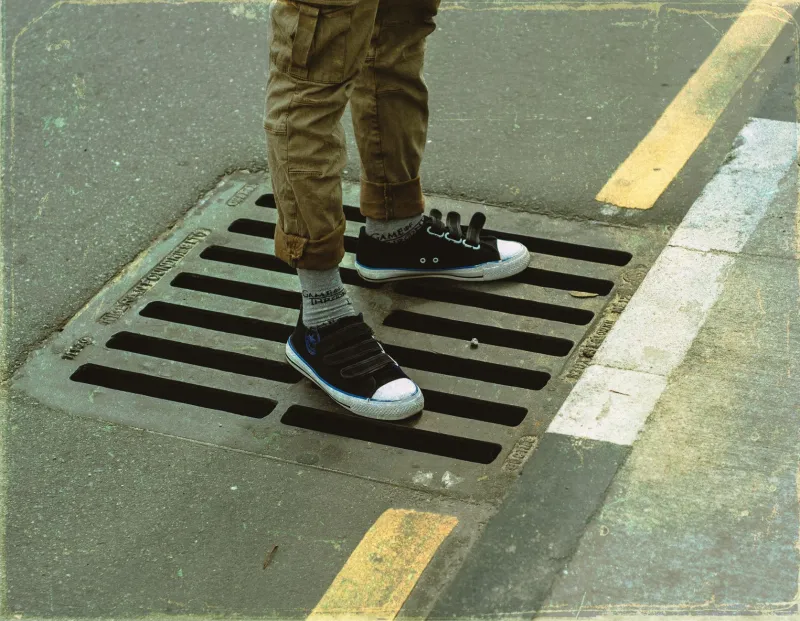
London is a city you can hear before you can explain it. The rumble under the pavement, the sigh from a grate, the fridge-like drone coming off a concrete wall: that is the city’s machinery talking to itself. Most guides tell you to look up. This one asks you to look down — or, better, to listen down.
This is not a tour of sewers or a trespass into plant rooms. It is a walk for anyone who has ever paused at a kerbside grille and wondered what, exactly, was breathing underneath. The route runs from the City to the South Bank, roughly two and a half miles, and takes about ninety minutes if you resist the urge to stop every thirty seconds. You will not.
First, the etiquette
Listening walks only work if you are not a nuisance. Do not crouch in cycle lanes, do not press your ear to private grates, and do not block doorways while you fiddle with your phone. A simple voice memo is enough: hold the phone low, record twenty seconds, then move on. Headphones off. Conversation off. The city is already providing the soundtrack.
Go on a damp Sunday morning if you can. November is ideal: fewer crowds, wet pavements that carry sound, and a low sky that seems to press the noise closer to the ground. Avoid rush hour. The infrastructure is always humming, but the commuters are louder.
The route at a glance
Start at Mansion House station, where the pavement already has a pulse. Walk east to Bank, then follow Queen Victoria Street down to Blackfriars, cross the bridge, and turn east along the South Bank. Finish near the Royal Festival Hall. It is a gentle route, but wear shoes you can stand still in. Listening is mostly standing.
1. Bank Junction: the underground exhale
Stand near the Royal Exchange, away from the main crossing, and find a pavement grille. There are several in the area, and they are not decorative. Below you, the Underground is shifting air and trains in ways you rarely notice above ground. Record a minute. You will catch a soft roar, then a rattle, then a pause that is not quite silence.
This is the first lesson: London’s buried systems do not announce themselves. They leak into the street as vibration, warmth and a low note you feel in your feet before you hear it. The grilles around Bank are as close as most of us will get to the machinery that keeps the City moving.
2. Queen Victoria Street: the gutter chorus
Walk west towards Blackfriars. This is not a beautiful street in the postcard sense, but it is a good one for acoustic curiosity. Sewer grates gargle after rain. Basement extractor fans hiss behind brass louvres. Cellar doors and delivery hatches clang. Somewhere below a bank or a coffee shop, a plant room is doing its unglamorous work.
Pause at the kerb where the road meets the pavement and listen for water. After a wet morning, the drains have a surprising range: a hollow gulp, a steady trickle, sometimes a faint metallic echo. It is the sound of the city washing itself and getting on with things.
3. Blackfriars Bridge: the expansion-joint solo
Cross the river. The bridge is not hidden infrastructure, but it is infrastructure you can hear. Expansion joints clack under tyres. The wind threads through railings. Beneath your feet, the bridge is doing what bridges do: carrying, flexing, staying put. Halfway across, stop and listen to the river instead. The Thames is not loud, but it is persistent, and it makes the traffic sound briefly accidental.
On the south side, take a moment before turning east. The South Bank has a different acoustic signature: wider skies, more echo, fewer tight corners. The hum changes from a trapped rumble to something more open.
4. Tate Modern: the turbine’s ghost
Walk east along the river to Tate Modern. The Turbine Hall is the obvious draw, but the listening happens outside, near the riverside entrance and the ventilation louvres. Stand a respectful distance away and listen to the building breathe. Gallery climate control is a quiet miracle of engineering, and here it sounds like a deep, air-conditioned sigh.
Inside, if the hall is quiet, you can hear the building’s scale in the footsteps and distant doors. But the real pleasure is the threshold: the moment the river noise drops and the mechanical hum takes over. It is a reminder that culture has a plant room too.
5. National Theatre: concrete with a chest
The walk from Tate Modern to the National Theatre is short but rich. The building is often discussed in terms of concrete and terraces; less often in terms of sound. Stand under the overhangs, near the service doors and vent grilles, and the whole structure seems to hum like a fridge the size of a block. It is not a threatening sound. It is the sound of a large public building keeping its air moving, its lights on and its stages ready.
Listen for the contrast: the skateboards in the undercroft, the footsteps on the terraces, the low mechanical drone behind it all. The National Theatre is a good place to notice how many layers a city sound has.
6. Royal Festival Hall: the last low note
Finish at the Royal Festival Hall. Walk round to the river side, find a quiet spot, and listen one last time. You will hear the river, the trains, the ventilation, the occasional boat and the soft wash of people. It is not a symphony. It is better than that: it is the everyday sound of London keeping itself alive.
What you are actually hearing
The hum is never one thing. It is substations and extractor fans. It is ventilation shafts and water in drains. It is trains pushing air through tunnels, boilers in basements, lifts in shafts, refrigeration units on roofs. Most of it is designed to be forgotten. A listening walk is just a way of un-forgetting it.
You do not need special equipment. A phone, a dry day and a willingness to stand still will do. Bring a notebook if you like, but do not write while walking. Stop, listen, record, move on. The city rewards patience more than expertise.
Practical notes
Start at Mansion House station and finish at the Royal Festival Hall. The route is step-free in most places, but pavements are busy and some crossings are not pleasant. Sunday morning is best. Wear a waterproof coat and shoes with a bit of grip. Do not wear headphones. Do not block the pavement. And if a grate is on private property or behind a barrier, admire it from a distance.
Above all, resist the urge to explain every sound. Some of the pleasure is in not knowing exactly which fan, pump or train is responsible. London’s infrastructure is usually invisible. Sound is its tell.