The Umbrella Room: How London Quietly Reunites You With Your Lost Stuff

Photo: Retired electrician, CC0, via Wikimedia Commons
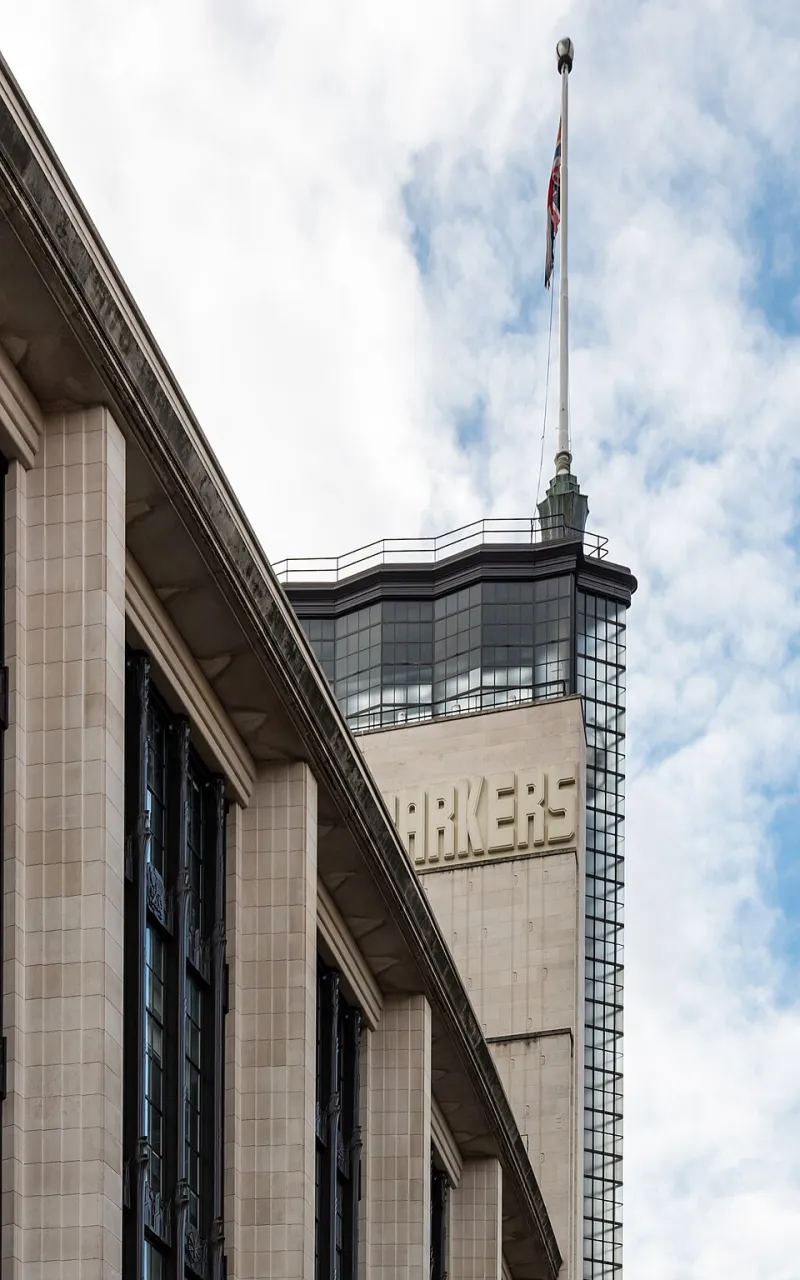
Every city has an unconscious. London's is shelved, bagged and labelled, and a surprising amount of it lives behind a door on Baker Street.
The office that catches everything
The Transport for London Lost Property Office handles what falls out of the city's pockets on the Tube, buses, Overground, Elizabeth line, DLR and black cabs. The numbers are ridiculous in a way that becomes mundane once you've stood in the room: something in the region of two hundred thousand items a year, arriving in sacks from depots across the capital, sorted by date and by service, logged, bagged and shelved.
It is not a museum, though it reads like one. Rows of identical bags, each with a handwritten reference. A shelf of suitcases. A bay of pushchairs. And umbrellas — always umbrellas — in a quantity that makes you realise the British relationship with the folding umbrella is essentially disposable.
Life cycle of a lost thing
The journey is more orderly than you'd think. An item is handed in at a station or depot, tagged with where and when it was found, and sent to the office. It gets logged with a description. Then it waits, usually for around three months, while the owner — if there is one — fills in a form describing what they lost.
The description matters more than anything else. 'Black rucksack' is useless. 'Black rucksack, broken left strap, red enamel badge on the front pocket, copy of a paperback inside' gets your bag back. Staff match on detail, so the more specific and slightly embarrassing your description, the better your odds.
After the holding period, unclaimed items are disposed of — sold at auction, given to charity, or recycled. Nothing sits there forever. There is a modest handling fee to reclaim, plus storage charges for high-value items, and you'll need ID. The whole process is unglamorous, cheap and quietly effective.
What people leave behind
Ask anyone who works a lost-property counter what turns up and you get a list that moves from the banal to the operatic. Umbrellas. Keys. Oyster cards. Glasses. Single gloves, in their thousands, each one a small unsolved mystery. Phones, usually locked, occasionally ringing. Passports. Handbags. A surprising number of books, which tells you something about London reading habits and something sadder about how we treat paperbacks.
Then the other stuff. Dentures. Wigs. A prosthetic limb, more than once. Wedding rings, sometimes still in the box. Ashes in an urn, which is the call nobody wants to make. Instruments — a cello on the Central line is not unheard of. And, in the folklore of the office, a coffin, which is the sort of thing that gets wheeled out in every interview and every anniversary piece, and which nobody who works there seems to disbelieve.
The recurring theme isn't weirdness, though. It's tiredness. People lose things when they're exhausted, when they're moving house, when they're upset, when they've had three pints and a long day. The counters are a record of the city at its most distracted.
How to actually get your thing back
On TfL services: report it as soon as you can, using the online lost property form. You'll need the date, the approximate time, the line or bus route and a genuinely detailed description. If it's found, you'll be contacted and given a collection slot at the Baker Street office. Bring ID and a card for the fee. Turn up when they say — slots are tight and the queue is real.
On National Rail: this is where people go wrong. Each train operator runs its own lost property. Something left on a King's Cross service isn't handled by TfL, and something left at Waterloo isn't handled by the same people as something left at Paddington. Contact the operator whose train you were on — they'll tell you whether the item is being held at the station or has gone to a central office. Allow a few days; nothing moves faster than the paperwork.
In a black cab: TfL handles this too, but you'll need the receipt or the medallion number. Pay by card, keep the receipt, and you've got a fighting chance.
If it's your phone: call it. People answer, occasionally. If it's your passport, report it lost to HM Passport Office as well as the transport operator, because a passport in limbo is a passport that can be misused.
The counter as a portrait
The people who work these counters develop a specific tone: patient, unsentimental, faintly amused. They will not be impressed by your story. They will be very impressed if you can tell them the colour of the lining.
And every so often, the phone rings and someone gets their grandmother's ring back, and the whole room briefly becomes a better place than it was. London doesn't often do sentiment. When it does, it does it in a room full of labelled bags, behind a door on Baker Street.