The Accidental Galleries: A Free Art Crawl Through London’s Office Lobbies
London has a knack for hiding its best things in plain sight. The office lobby is the perfect example. You walk past them every day — glass boxes, security desks, a bit of marble — and inside, more often than not, is a piece of art that would stop you in a paid gallery. The city’s corporate atriums are accidental museums, free to enter and strangely calming on a wet weekday afternoon. In 2026, with ticket prices doing what they do, they might be the best cultural bargain in town.
Why the lobby is London’s most underrated gallery
Corporate art collections were never really meant for us. They were built to soften vast floors, signal good taste and give staff something to look at on the way to the lift. But somewhere along the line, the doors stayed open. Now you can stand under a Richard Serra, circle a Botero and stumble into a Roman temple, all without buying a ticket or booking a slot. The catch is that nobody advertises it. There’s no box office, no gift shop, no one to tell you where to look. You have to know which buildings are welcoming, when to go and how to behave.
That’s the game. Think of it as a free art crawl with a bit of nerve and a lot of quiet confidence.
Canary Wharf: the original corporate sculpture park
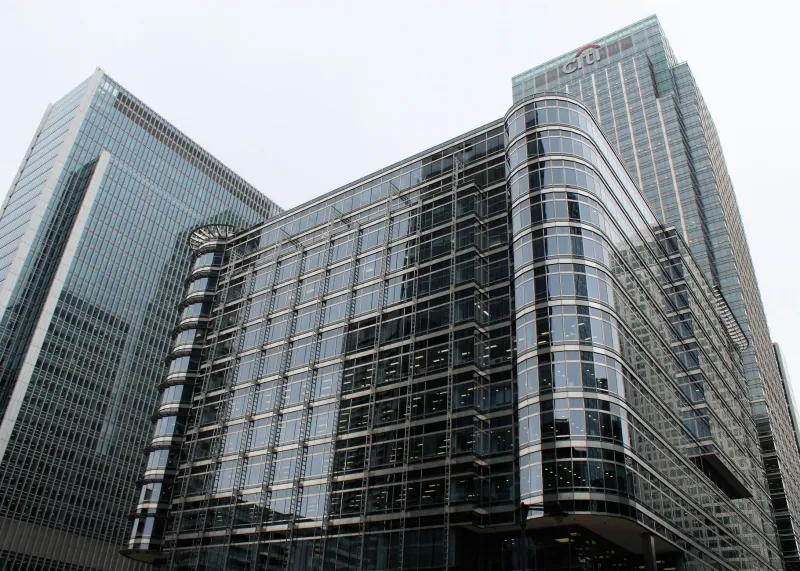
Canary Wharf is the obvious place to start because the art is everywhere and the estate is built for wandering. The Canary Wharf Art Collection runs to more than 100 works, scattered across squares, concourses and ground-floor spaces. Some are monumental outdoor pieces; others are tucked into lobbies where the only clue is a slightly better-than-usual reception area.
Start around One Canada Square and Cabot Square, then drift towards the Crossrail Place roof garden if you need air. The estate has a free art map and occasional exhibitions in the public spaces, so check ahead rather than assuming a particular lobby is open. Weekday office hours are your friend. Weekends can be quieter, but some buildings lock their doors. Security may ask what you’re doing; a polite “just here to see the art” usually does the job.
The City: Broadgate, Bloomberg and a Roman temple
Broadgate is the other great accidental gallery. The collection began in the 1980s and has aged well: Richard Serra’s Fulcrum, Fernando Botero’s Broadgate Venus and George Segal’s Rush Hour are all part of the estate’s public furniture. You don’t need to sign in for most of it. Just walk the squares and look up. The scale is the point. These are works that need space, and Broadgate gives it to them.
Then head south to Bloomberg’s European headquarters for the London Mithraeum. This is the corporate lobby as archaeological site: the remains of a Roman temple of Mithras, displayed underground with contemporary art commissions alongside. It’s free, but you should book ahead and check opening days. It feels like a museum because it is one, just wrapped in a office building. The contrast between ancient stone and glass floors is the whole appeal.
King’s Cross and the new-wave atriums
King’s Cross is less predictable. The office quarter around Granary Square has a handful of ground-floor spaces that host temporary installations, but not every building is public. Look for notices, open doors and the telltale sight of a receptionist who isn’t surprised to see you. The Sculpture in the City trail is a useful gateway: it puts works in and around private plazas and streets, reminding you that the boundary between public art and private property is often just a doorway.
Don’t force it. If a lobby feels closed, it probably is. There are enough genuinely open spaces in Canary Wharf and the City to fill an afternoon without testing your luck.
The etiquette: walk in like you belong
The unspoken rules are simple. Use the main entrance. Don’t film with a tripod. Don’t touch anything, don’t picnic, don’t treat the sofa as a co-working desk. Avoid the 12–2 lunch crush, when staff don’t need you hovering by the lifts. If there’s a café, buy a coffee. If someone asks you to sign in, sign in. If a private event is starting, leave. The whole thing works because nobody makes a fuss, so don’t be the person who does.
Dress like you’re going about your day, not like you’re on a sightseeing mission. A lanyard-free lanyard walk — purposeful, slightly bored — gets you further than a map and a camera bag.
A weekday route worth copying
Start at Canary Wharf mid-morning, work your way through the estate’s outdoor pieces and one or two open lobbies, then take the Jubilee line to London Bridge and walk to Broadgate for the afternoon. Finish at the London Mithraeum if you’ve booked. It’s a lot of walking, but the art is free, the buildings are warm and you’ll see a side of London that most visitors miss entirely.
The lobby is not the destination. That’s the trick. It’s the bit between the street and the lift, the place you were never meant to linger. Which is exactly why it’s worth a look.