The Honest Machine: A Crawl Through London's Remaining Public Weighing Scales
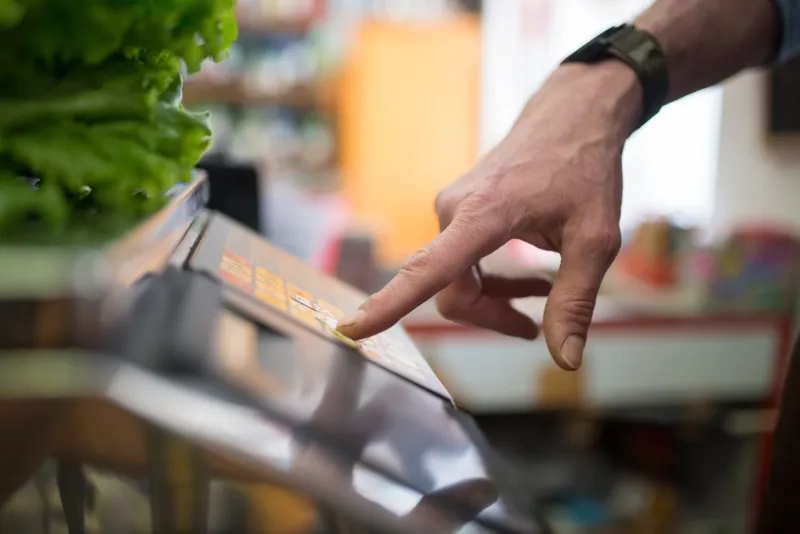
There is a particular noise a public weighing machine makes. A clunk, a whirr, the small ceremony of a card or a sticker. In a city that has digitised almost everything, the coin-op scale is a stubborn analogue holdout — and you'll still find them scattered about, in stations and markets and the odd museum, asking the same question they asked a century ago. How much?
The Machine That Never Lies
Penny scales arrived in the late Victorian boom and by the Edwardian era they were everywhere: outside chemists, on station concourses, in market halls, at fairgrounds. The big names — W&T Avery, Salter — built cast-iron cabinets with brass dials and glass windows, and for a penny you got your weight plus, often, a printed card with a fortune or a chart of "ideal" weights. They were practical machines (luggage, parcels, produce) and vain ones (self-image), and they were a social leveller: everyone got the same number.
By the 1970s many had been converted to 20p; by the 2000s most had gone. The survivors are a mixed bag — a few working machines, a few museum pieces, a good number of decorative ornaments that haven't moved a needle in decades.
Stop One: The Departure Weigh-In
Start at St Pancras International. The luggage scales near the Eurostar check-in are the most honest machines in London: no vanity, no flattery, just whether your bag makes the limit. There's a particular pre-holiday theatre to the ritual — the shoe shuffle, the hopeful lift, the small grimace at the number. A short walk away, King's Cross has its own share of station scales, and the old penny machines that once lined the concourses are survived by these more utilitarian descendants. Some are free; some take coins. Check before you pile on.
Stop Two: The Market Floor
Take the Northern line to Borough. Markets have always been weighed — it's the whole point of them — and Borough Market's trading floor still revolves around the number on the scale. You won't find many penny machines here now, but older platform scales survive in corners and behind counters: cast-iron bases, brass dials, the occasional glass window fogged with age. Smithfield and Billingsgate carry similar heritage, though access is limited. The point is less the machine than the habit. London still weighs its food in public, every single day.
Stop Three: The Museum Piece
For the immaculate ones, head to South Kensington. The Science Museum holds examples of weighing machines in its measurement collections — the kind of scale that once stood in a chemist's or a fairground, polished and inert behind glass. There's something slightly sad about a scale that can't be stood on, but it's a useful reminder of how recently all this was ordinary. If you want a working survivor instead, keep your eyes open in old arcades, chemists and pubs; they turn up in the least likely corners.
The Penny Problem
Practicalities. Many surviving machines take 20p, 50p or £1; a few are free; some are purely decorative and will swallow your coin without a flicker. Bring a mix. Don't trust a dial that hasn't been calibrated since the Blitz. Wipe the platform before you step on, and don't hog it — there is an unspoken etiquette to public weighing, and it involves being quick about it.
Why We Still Step On
In 2026, with smart scales in every bathroom, the public scale is a relic. But there's something about the publicness of it that still appeals — a small, honest ritual in a city that otherwise keeps its numbers private. It isn't really about health. It's about curiosity, and the mild drama of a figure you can't argue with. The machine doesn't flatter. That, in the end, is the appeal.
The Route, Practically
Half a day will do it. Start at St Pancras, walk to King's Cross, then take the Northern line to Borough for the market. Finish at South Kensington for the Science Museum. Check opening times before you go, and aim for a weekday morning if you want the market scales at their most active.